
Kotgarh, Shimla, Himachal Pradesh

+91 70187-04965




Kotgarh, Shimla, Himachal Pradesh
+91 70187-04965

Thanedhar is a tranquil mountain retreat nestled in apple-laden hillsides overlooking the Sutlej Valley, offering unparalleled views, cool mountain air, and a slice of Himachal’s agricultural history. It's perfect for those seeking serenity and natural beauty with a touch of heritage — especially as a base to explore nearby Kotgarh and the legendary orchards of Stokes.
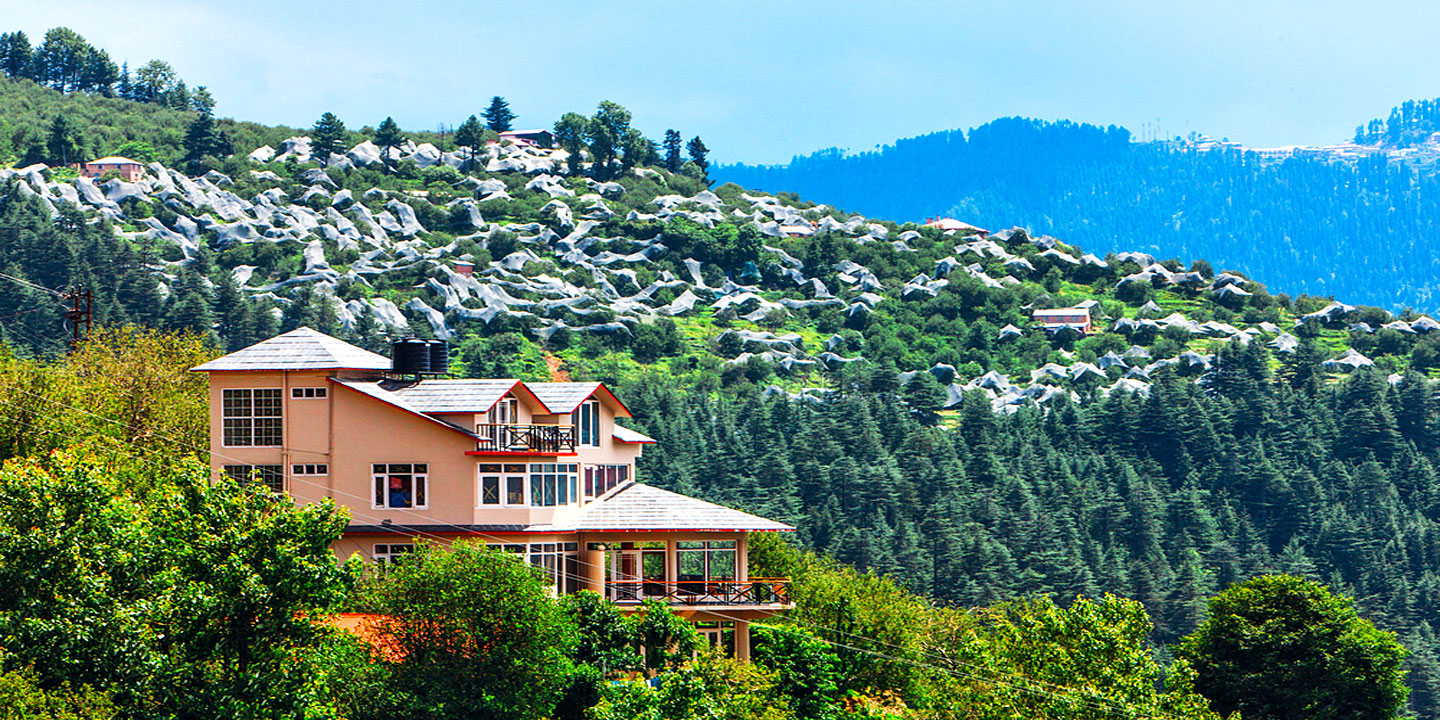
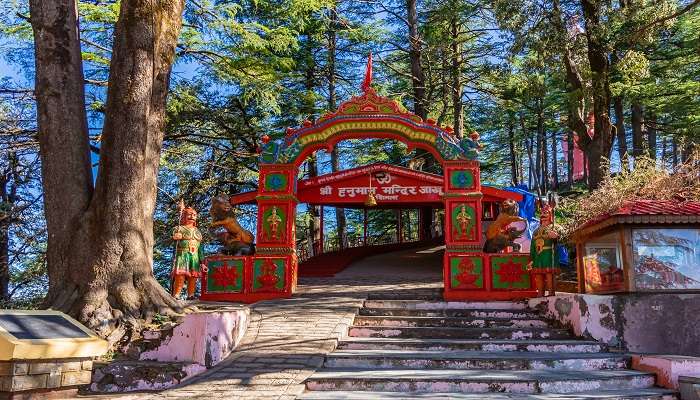
Param Jyoti Temple, located near Kotgarh in Himachal Pradesh, is a serene and historically significant structure built in 1937 by Satyanand Stokes (formerly Samuel Evans Stokes), an American who embraced Indian culture and spirituality. Unlike traditional temples, Param Jyoti is not dedicated to any specific deity but serves as a space for Vedic rituals and meditation. The temple features Sanskrit inscriptions from the Upanishads and the Bhagavad Gita, reflecting Stokes's deep spiritual leanings.
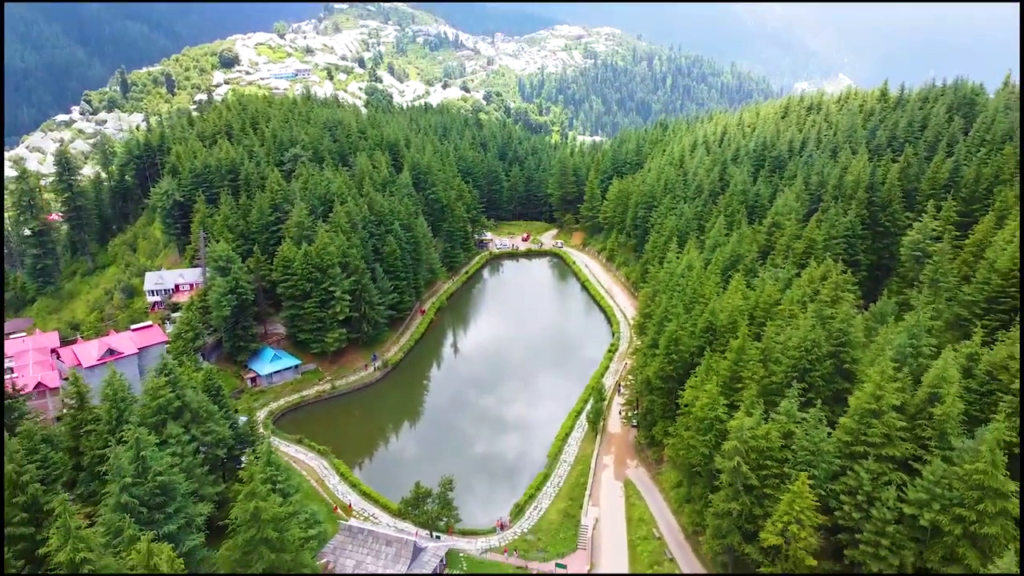
Tani Jubbar Lake is a serene, forest-fringed lake near Thanedhar and Narkanda in Himachal Pradesh, nestled at around 2,350 meters above sea level. Surrounded by tall cedar and pine trees, the lake offers a peaceful escape with clear reflections, mountain air, and minimal crowds. A small temple dedicated to the local serpent deity (Nag Devta) stands by the shore, adding a touch of spiritual charm. It's an ideal spot for a quiet walk, picnic, or just to enjoy nature. The lake comes alive during the annual Tani Jubbar Fair in late May, showcasing local culture, music, and traditions.
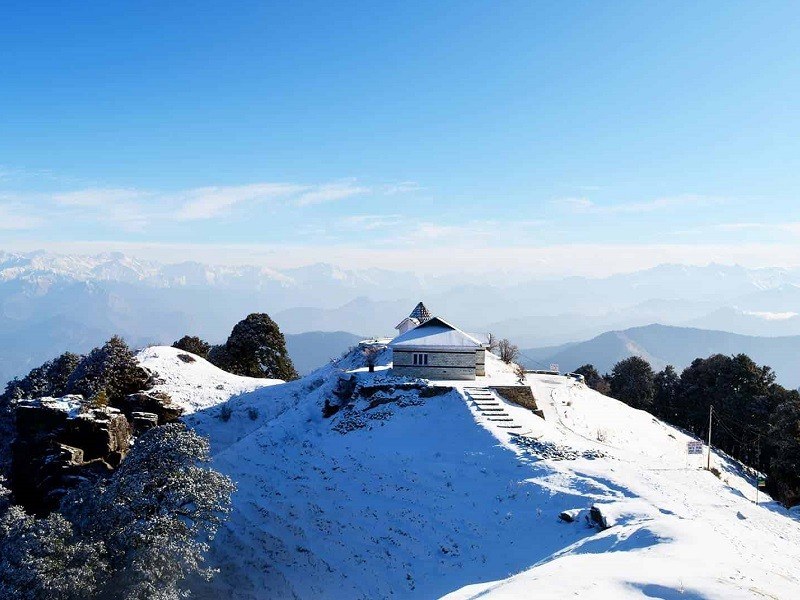
Hatu Peak rises majestically to about 3,400 m (11,150 ft) just ~7 km from Narkanda in Himachal Pradesh, making it the highest point in the Shimla district Holidify . Surrounded by dense mixed forests of cedar, blue pine, spruce, oak, and maple, the area feels like a Himalayan paradise . At its summit stands the rustic Hatu Mata Temple, dedicated to the local goddess (often believed to be Mandodari, Ravana’s wife), woven into legends of the Pandavas who supposedly cooked their meals on the ancient rock stove nearby
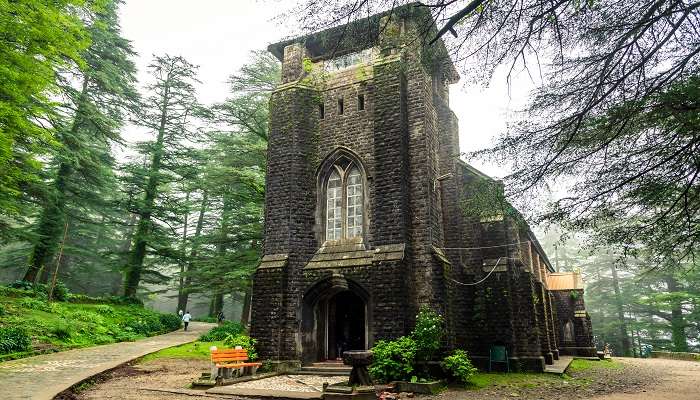
St Mary’s Church, nestled in the heart of Kotgarh’s apple country at roughly 1,888 m in Shimla district, is a tranquil and historic colonial-era chapel built in 1872 by the Church Missionary Society (London). This quaint structure—with modest Gothic elements like a bell tower, a stained-glass window depicting Christ, and rustic kath-kuni style timber-and-stone walls—reflects a blend of simplicity and understated elegance. Located beside the Gorton Mission School (established in 1843), the church served both local villagers and British officials, becoming a landmark of early missionary and educational work in the region. Surrounded by apple orchards and wild roses, with a tiny cemetery on its terraced hillside, the church exudes a peaceful charm and remains open to visitors and worshippers alike. Sunday Mass is held in Hindi.
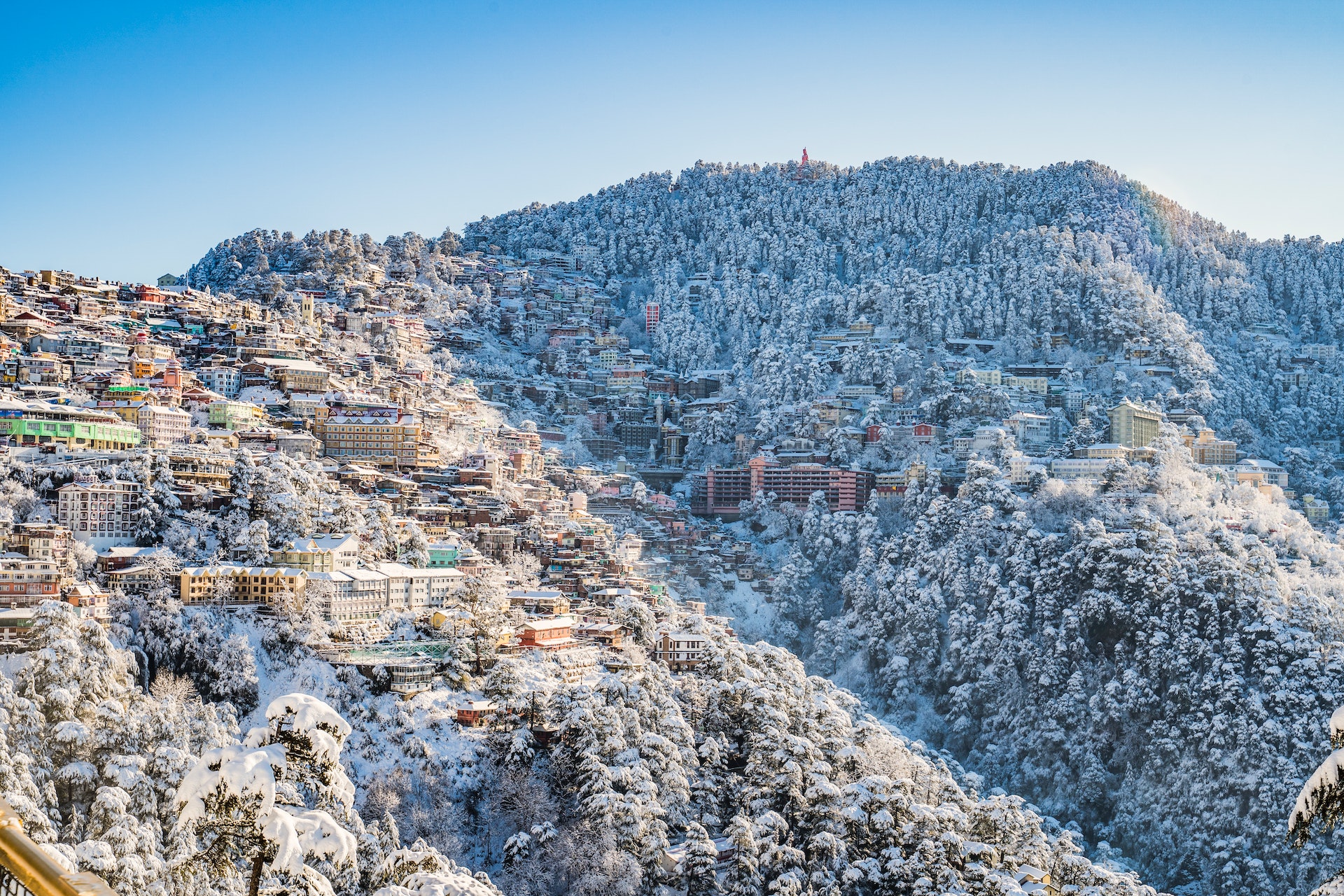
Shimla is the capital city of Himachal Pradesh, nestled in the lower Himalayas at an altitude of about 2,200 meters (7,200 feet). Known as the “Queen of Hills,” it was the summer capital of British India and still retains charming colonial architecture, including the famous Ridge, Christ Church, and Mall Road. Shimla is famous for its cool climate, scenic views, pine forests, and bustling bazaars. It’s a popular hill station attracting tourists year-round for trekking, sightseeing, and enjoying a peaceful mountain atmosphere. The city also serves as a gateway to nearby adventure spots and cultural sites in the Himalayas.
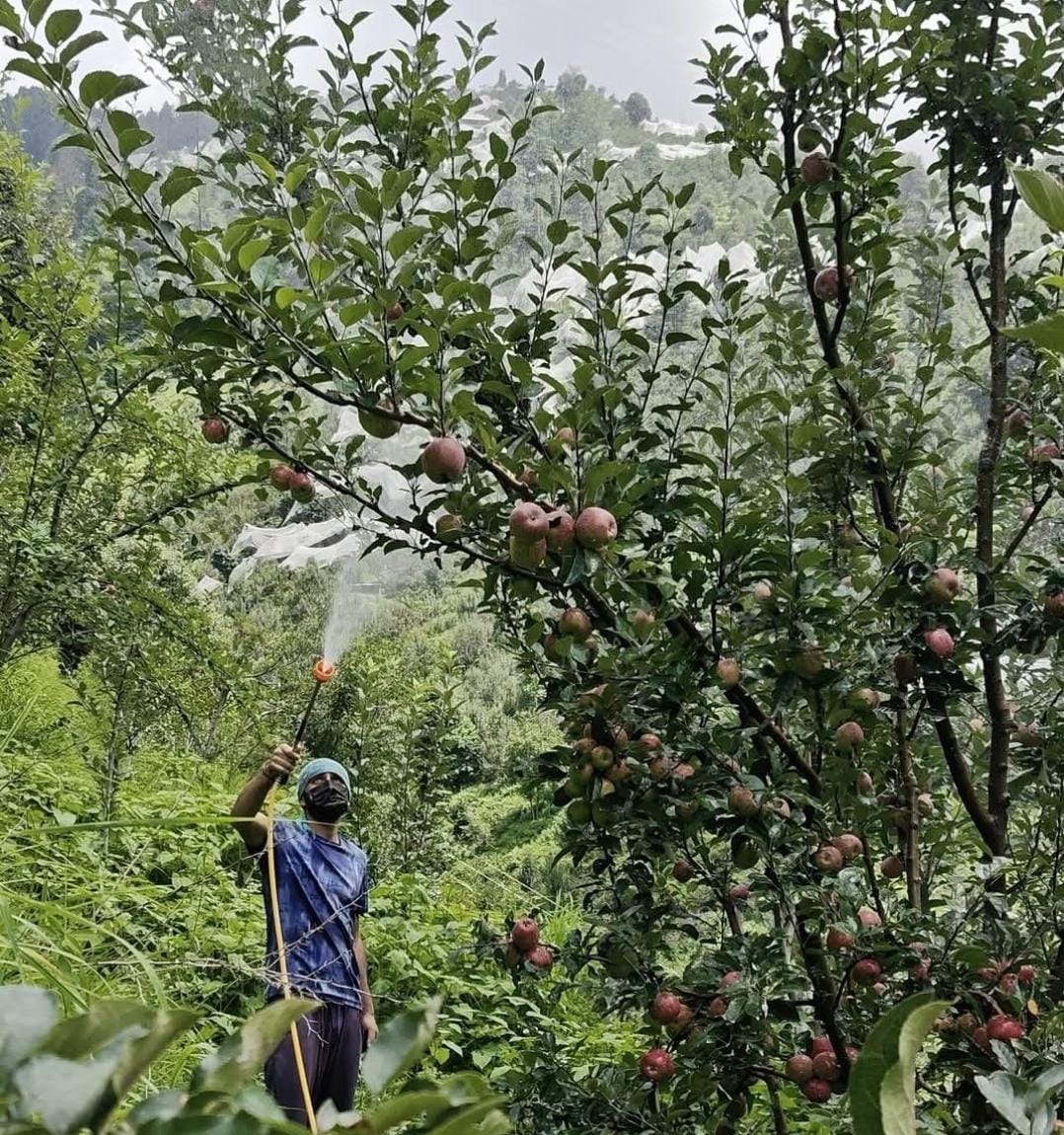
These apple orchards aren’t just fields of fruit trees—they’re a way of life. The region’s cool climate, fertile soil, and optimal altitude create perfect conditions for growing some of the finest apples in the country. From juicy Royal Delicious to crisp Golden and Red Delicious varieties, the apples grown here are exported across India and beyond